|
Stonekreek Feed and Farm Supply offers a variety of seed;
|
|
|
Scroll down to learn more about leafy corn! Contact us for more information on how we can serve your needs best!
Alfalfa
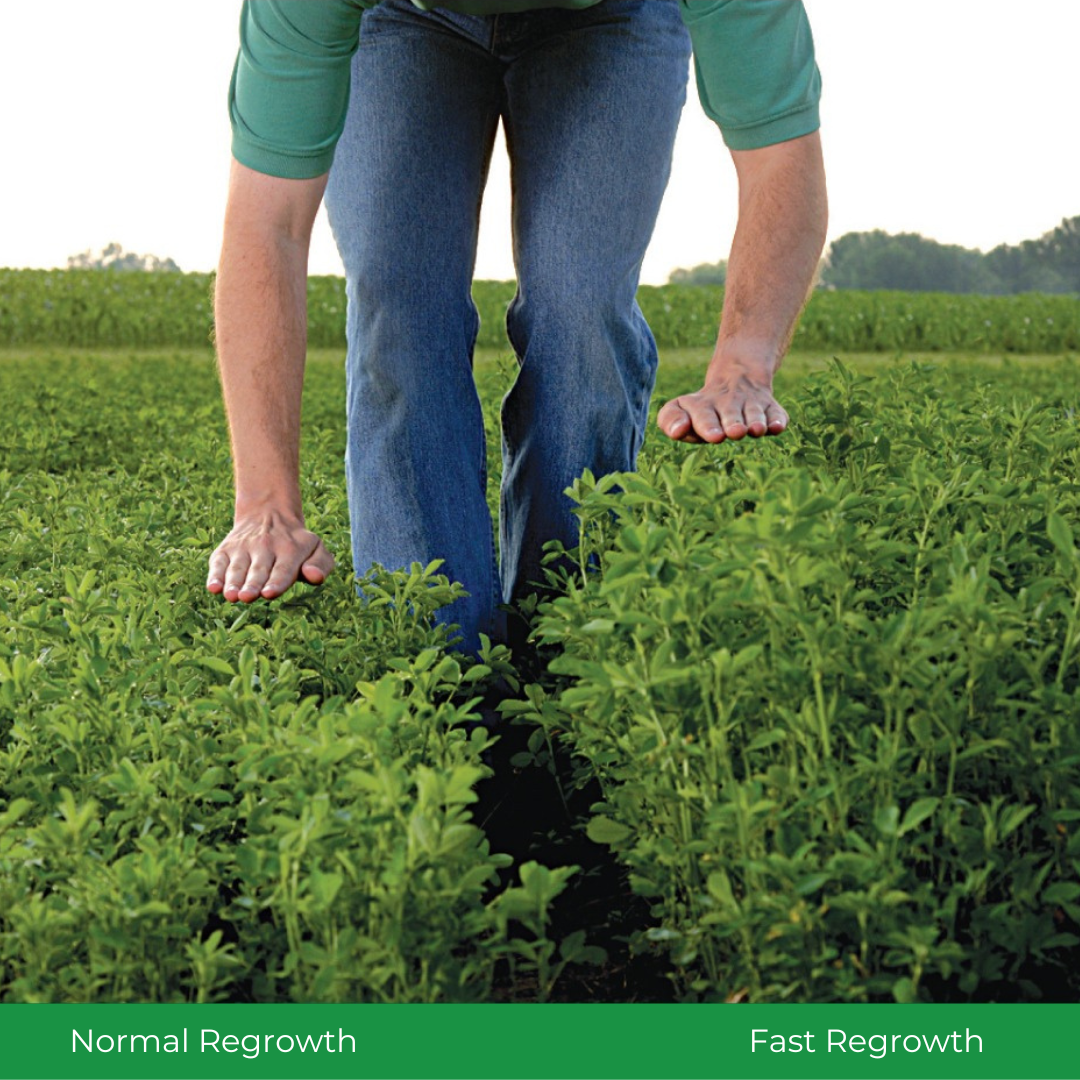
perfection alfalfa
|
Agronomic TraitsMaturity: Very Early
Fall Dormancy: 4.0 Winter Hardiness: 1.93 Cutting Per Year: 3-5 Forage Yield: Superior Digestibility/Feed Value: Excellent Grazing: Very Good Well Drained Soils: 10/10 Modesty Wet Soils: 7/10 Disease Resistant Index: 28/30 Recovery After Harvest: Superior Traffic Tolerance: Superior |
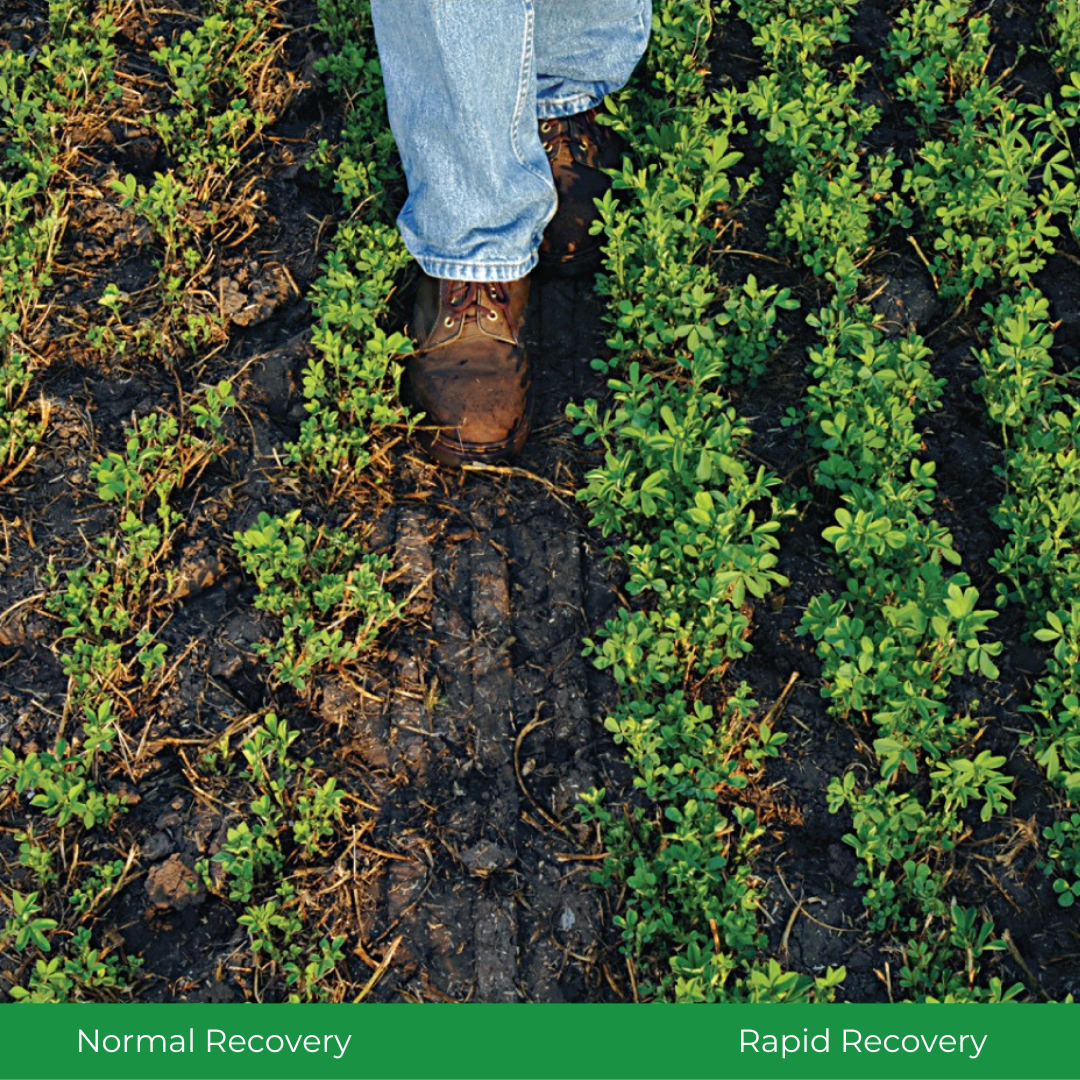
cornerstone alfalfa
|
Agronomic TraitsMaturity: Early
Fall Dormancy: 4.4 Winter Hardiness: 1.63 Cutting Per Year: 3-4 Forage Yield: Excellent Digestibility/Feed Value: Excellent Grazing: Very Good Well Drained Soils: 10/10 Modesty Wet Soils: 8/10 Disease Resistant Index: 30/30 Recovery After Harvest: Superior Traffic Tolerance: Excellent |
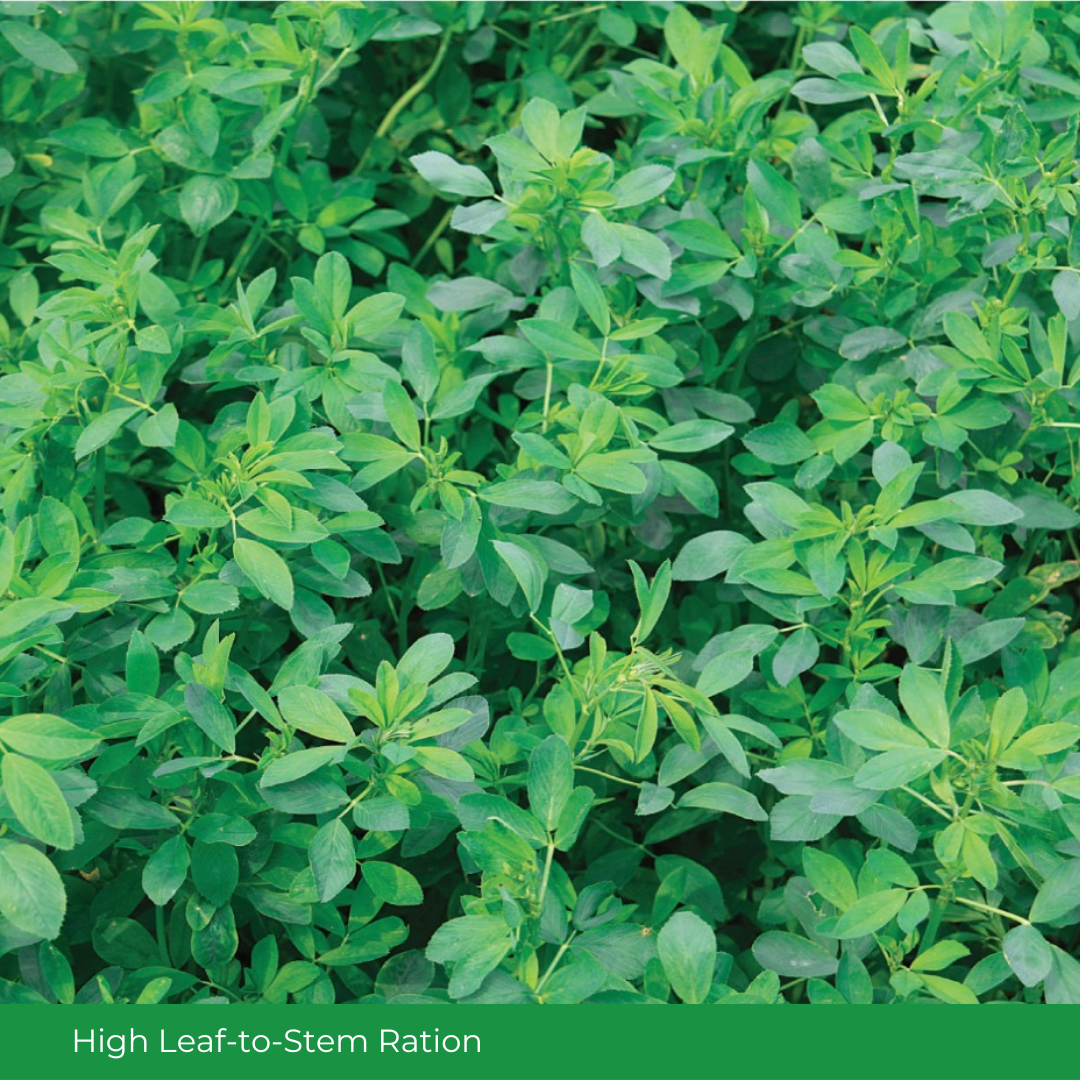
Performer alfalfa
|
AGRONOMIC TRAITSMaturity: Early
Fall Dormancy: 4.4 Winter Hardiness: 1.88 Cutting Per Year: 3-4 Forage Yield: Very Good Digestibility/Feed Value: Superior Grazing: Average Well Drained Soils: 10/10 Modesty Wet Soils: 8/10 Disease Resistant Index: 30/30 Recovery After Harvest: Excellent Traffic Tolerance: Excellent |
Endurance alfalfa
|
Agronomic TraitsMaturity: Medium
Fall Dormancy: 3.9 Winter Hardiness: 1.40 Cutting Per Year: 2-3 Forage Yield: Very Good Digestibility/Feed Value: Excellent Grazing: Average Well Drained Soils: 10/10 Modesty Wet Soils:10/10 Disease Resistant Index: 35/35 Recovery After Harvest: Excellent Traffic Tolerance: Very Good |
Haygrazer Alfalfa
|

|
Geseco Brand Alfalfa
- Two unique fine stemmed general seed alfalfa varieties blended together.
- Multiple disease resistance for all major diseases.
- Very quick regrowth for repeat cuttings.
specialize hay mixturesA1 hay & Pasture mixture
Mixture for farmers who take one cut then pasture, or hay for a few years then pasture. A2 mixedland
Rolling field with high and low spots. a3 lowland
Mixture for poorly drained fields. Ag1-5 Alfalfa grass mixtures
Unique mixture which includes different GS Alfalfa varieties which include Treasure Timothy, Tundra Late Orchardgrass, Yukon Tall Fescue, Intrada Tetraploid Per, Ryegrass, Nabucco Italian Ryegrass, Carlton Smooth Bromegrass. ag 6 low potassium hay mixture
Hay mixture for dry cows or for farmers who want pure grasses for longer than 2 year rotations. |
|
8 great reasons to grow leafy corn
High Total Plant Yield
Leafy hybrids have been bred to produce a high yield of digestible forage and starch. In yield trials, Leafies consistently out-perform dual purpose hybrids. This yield boost occurs when Leafies are planted at their recommended population of 28,000 ppm as compared with dual purpose at 35,000 ppa.
Low Plant Population
Leafy hybrids perform best at 28,000 to 30,000 plants per acre. Population studies have shown that Leafies planted at 28,000 ppa have thicker stalks and bigger ears than Leafies planted at 35,000 ppa. The thicker stalks are more digestible and the bigger ears make a silage that contains a higher percentage of overall starch. By planting at 28,000 ppm, you will save on seed costs and feed the best balance of fibre and starch.
Disease Resistance
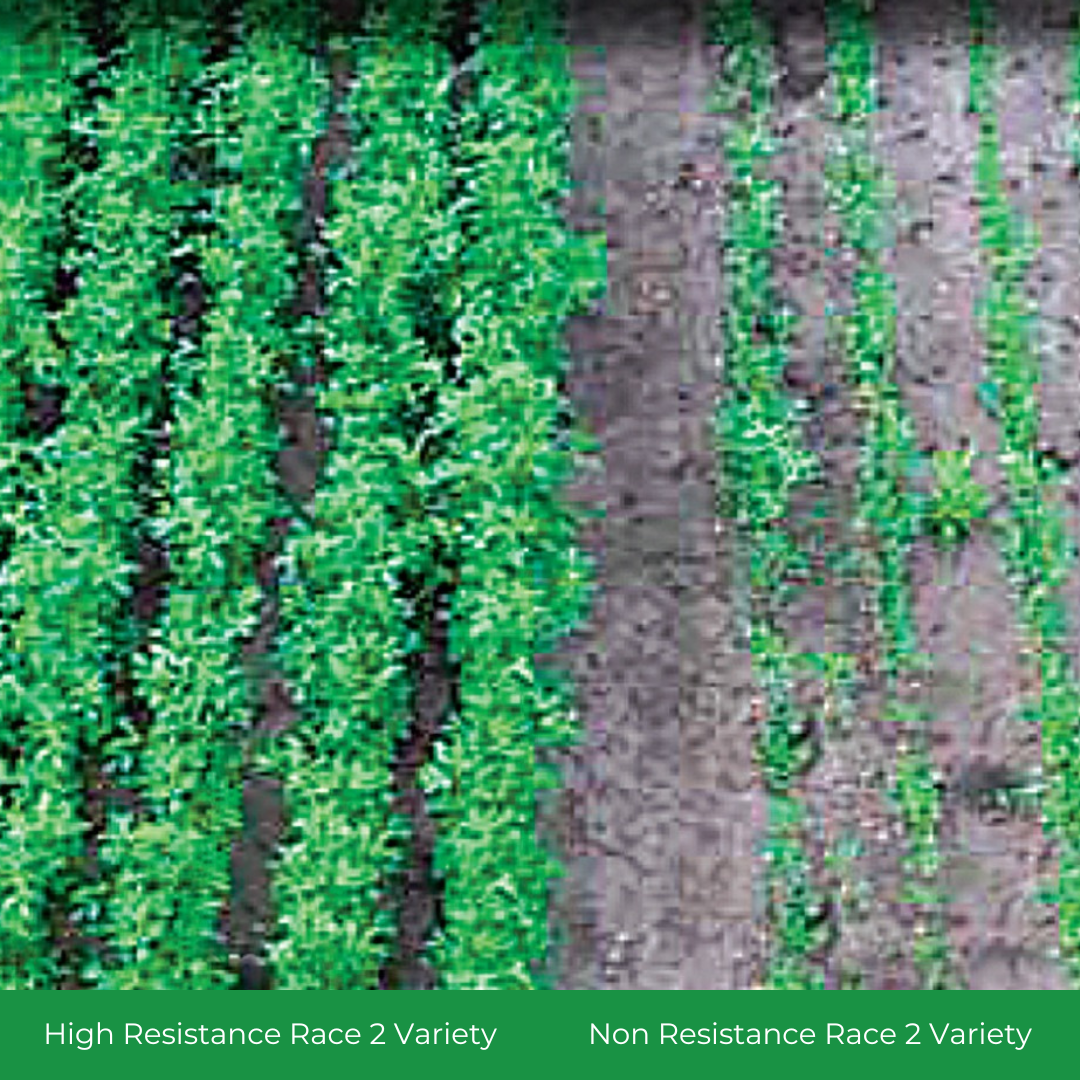
Leafy hybrids are selected to resist ear molds that can be responsible for mycotoxin development in feed, improved leaf disease resistance is a continuous part of the Leafy breeding program.
High Fiber Digestibility
Leafy hybrids have three unique characteristics that allow for gains in fiber digestibility:
They have a lower ear position of the stalk. The ear is the heaviest part of the plant, so the below-ear portion of the stalk must be heavily lignified to support its weight. By lowering the ear, the more digestible above-ear portion of the stalk is increased. Leafies that are grown at recommended populations have thicker, more digestible stalks since the proportion of soft inner stalk is increased relative to the lignified outer stalk. Add to that the 2+ additional above ear leaves in all Leafy hybrids, an you’ll find that Leafies boast an excellent balance of effective and digestible fibre for the dairy ration, with no need to add straw!
They have a lower ear position of the stalk. The ear is the heaviest part of the plant, so the below-ear portion of the stalk must be heavily lignified to support its weight. By lowering the ear, the more digestible above-ear portion of the stalk is increased. Leafies that are grown at recommended populations have thicker, more digestible stalks since the proportion of soft inner stalk is increased relative to the lignified outer stalk. Add to that the 2+ additional above ear leaves in all Leafy hybrids, an you’ll find that Leafies boast an excellent balance of effective and digestible fibre for the dairy ration, with no need to add straw!
High Starch Digestibility
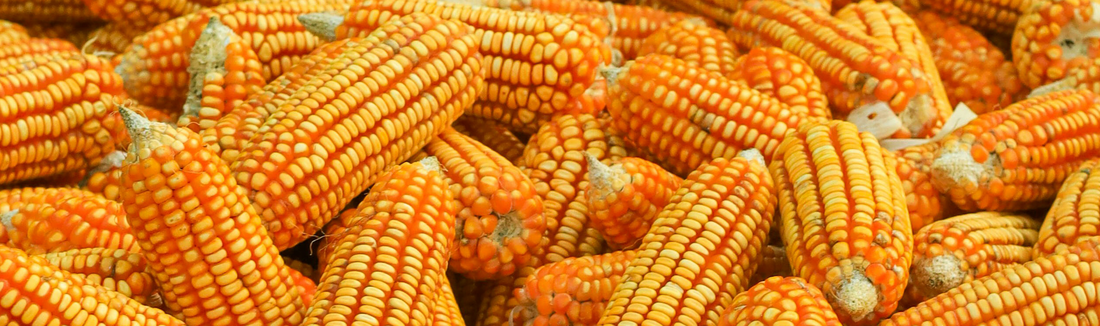
Leafy hybrids have been selected for increased starch availability. They have been bred to have large, flat, soft kernels that dry slowly. These characteristics allow them to be easily broken-up into small particles during silage chopping and eating. This smaller particle size allows for a higher rumen retention time and increased rumen digestibility.
Long Harvest Window
Leafy hybrids have been designed to extend the ideal silage harvest window. Leafy’s plant and ear dry slowly and at a complimentary rate. The total plant hovers around 65% moisture while kernels remain near 50% milk line for a longer period of time. They continue to dry slowly as they leave this ideal moisture. With this more forgiving harvest window you’re more likely to get the best feed in the bunker.
Short Storage Period
Leafy hybrids can be fed after 30 days in the silo. Leafy’s moist, breakable kernels allow starch to be available for rumen digestion as soon as ensiling is complete. Always store a Leafy so that it can be fed first. You’ll save on dry matter loss and storage space.
Excellent Feed Quality
Leafy hybrids make milk and keep a herd healthy. A Leafy crop that was planted a recommended populations will produce a feed that has an appropriate balance of effective and digestible fiber, and a high quantity of digestible starch for milk production.
the difference between Leafy & hybrid corn
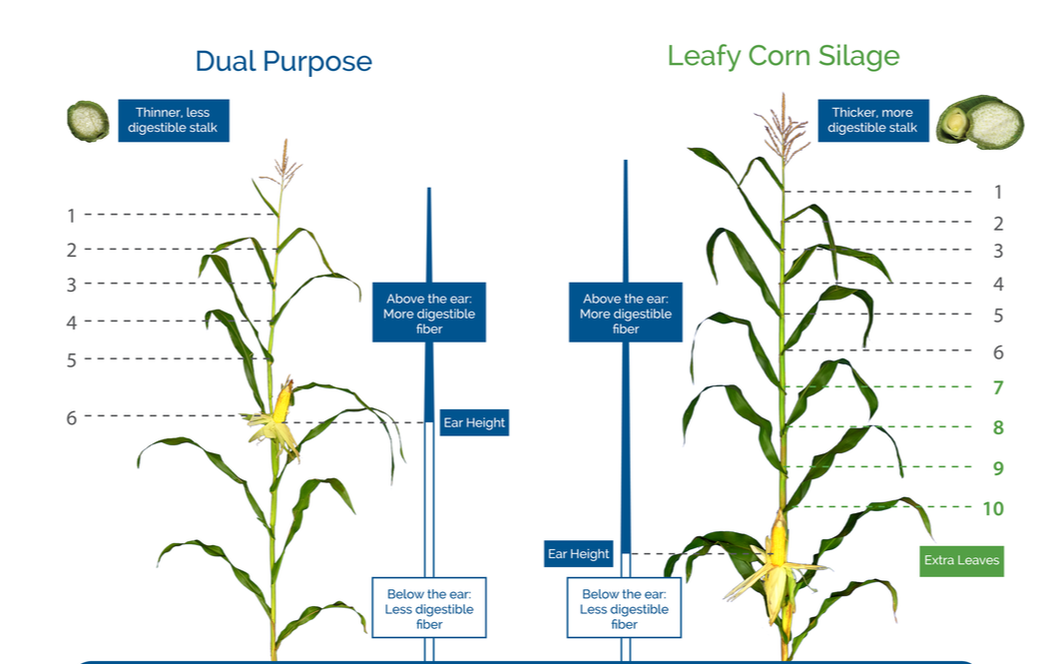
The below ear portion of the stalk must be heavily lignified in order to support the weight of the ear. Leafy Hybrids have been bred to have a lower ear position on the stalk to increase the proportion of digestible fiber in the ration.
|
What happens when grain hybrids are grown for silage?
Dual purpose hybrids have been bred for use as grain. They have stiff stalks for late season harvest and hard, durable kernels that stay intact during combining, elevating and shipping, in order to accommodate the commercial grain system. Their kernels are fast-drying to save on drying costs. None of these characteristics are ideal for milk production. There are several drawbacks to planting a grain-bred, dual purpose hybrid for silage. As the plant reaches silage maturity, the kernels dry rapidly and get very hard. This means that while the kernels may have a higher starch test weight, the starch does not break-up easily and is less available for digestion. Also, the speed of kernel drying shortens the harvest window. When the kernels reach a silage appropriate moisture, the plants are far too green and wet to put in the bunker. What’s the suggested solution to these problems? Harvest it at optimal whole-plant moisture, process the silage to break-up some of the hard starch, and let it sit in the bunker for four to six months to let the silage acids make the starch more available. But this brings a whole new set of problems. Processing the silage reduces the effective fiber, and storing silage for long periods results in dry matter loss. What’s the real solution? Use a plant that has been designed from the beginning to be used exclusively for silage. Plant a Leafy Silage Hybrid. |
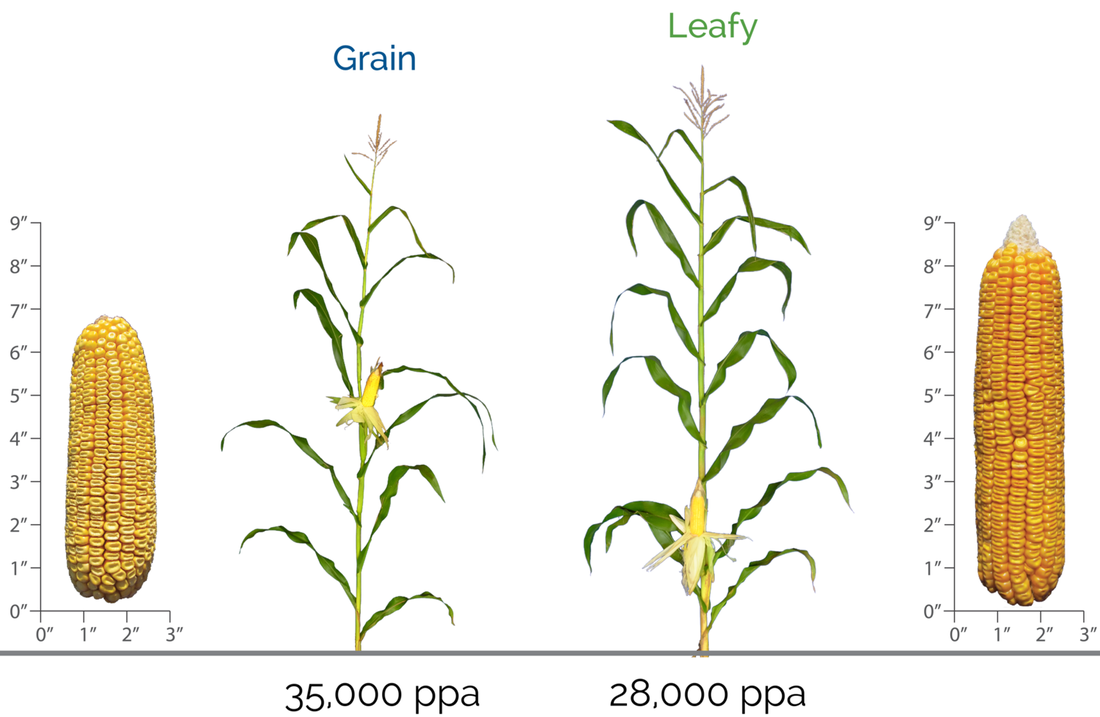
Grain hybrids have smaller ears and kernels that fracture into larger, less digestible particles during silage chopping or when ground. Leafy hybrids have larger ears and kernels that fracture into smaller more digestible particles during silage chopping or when ground.
|

|
|